Fifty Years of Reggae in the Fields: Junior Smith’s Legacy of Culture and Community
By: Courtney Buchanan
Since its emergence in the 1960s, reggae music has represented Caribbean culture, history and advocated for peace and social justice. Shaped by the social and political realities of the time, reggae became a powerful vehicle for messages of unity. Its distinctive rhythm and bass-driven sound carried not only music, but meaning—speaking to inequality, identity, and hope.
By the 1970s, reggae had grown from a local sound into an expanding global movement. Artists such as Bob Marley helped bring the genre to international audiences, but its endurance and influence have also been carried forward by cultural ambassadors, broadcasters and community leaders who kept the music alive beyond Jamaica’s borders.
One of those leaders is Junior Smith (BSc/79) (BA/91). Through his program Reggae in the Fields on CKCU 93.1 FM, Smith has spent five decades introducing listeners to reggae’s history and evolving sound.
This June, Reggae in the Fields celebrates its 50th anniversary—making it Canada’s longest-running reggae radio program.
Born and raised in Kingston, Jamaica, the birthplace of reggae music, Smith immigrated to Canada in the early 1970s and began his studies at Carleton.
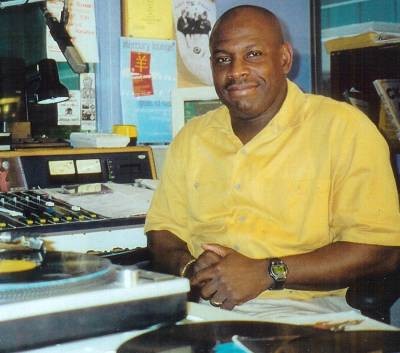
One day, while walking through the tunnels on campus, Smith heard music drifting from CKCU 93.1 FM, Canada’s first campus-based community radio station. Growing up listening to the radio while doing homework in Jamaica, he immediately felt a sense of familiarity and possibility.
Hearing the music, he knew he wanted to be a part of it. What began as curiosity quickly turned into commitment. In 1976, he launched Reggae in the Fields. Smith saw an opportunity not just to play music, but to create space for education and cultural exchange rooted in his own personal history and love of music.
Over the years, he has built a loyal and deeply engaged audience, hosting the show every week. For Smith, the program has always been about more than music. Focused on education, identity and connection, he says he lets the music do the talking.
“Something—a part of me—I was able to impart onto others and they accepted it. And it has grown. The program has never been just about music,” Smith shared.
Through reggae, Smith connects Caribbean culture with listeners across generations. Learning from his audience has also been key to the program’s endurance—and it is advice he shares with young alumni interested in broadcasting.
“Don’t be afraid to evolve and change with the trends,” Smith says. “Simply know why you’re doing it. Have a purpose. Be consistent with what you do and connect with your audience.”
That consistency has defined his approach for 50 years.
“You know, 50 years … it’s humbling. It’s deeply meaningful because it represents what I call continuity, community, and preserving a bit of culture. Not only Jamaican culture, but Caribbean culture. Those were my objectives when I started this program,” he noted of the milestone anniversary.
During Black History Month, Smith reflects on the broader impact of reggae and the importance of recognizing Black creators and leaders. Throughout February, Reggae in the Fields has featured tributes to Cat Coore, Dennis Brown and Bob Marley, renowned reggae artists whose influence helped define the genre.
“Black History Month simply honors people from our communities. For me and my program, reggae music speaks about justice, resistance and resilience. So, I’m proud of that—of reggae music, the meaning, and the culture.”
Smith credits the show’s longevity to the unwavering support of his listeners.
“I want to emphasize that I wouldn’t have been here without them, and the interactions I’ve had with them over the last 50 years. I want to thank my audience for their support.”
He adds, “I think if you don’t have them [the audience], then you have nothing at all. My focus simply has been to just understand them, know what they want, and have a connection.”
As Reggae in the Fields celebrates 50 years this June, Smith remains guided by the same purpose that first drew him to the sound coming through the campus tunnels: sharing culture, building community and letting the music speak.