Carleton Alumni Go For Gold at Milano Cortina 2026 Paralympic Winter Games
Two Carleton alumni will be representing Team Canada at the Milano Cortina 2026 Paralympic Winter Games. Rob Armstrong (BA/25), a two-time Paralympic silver medalist and two-time world champion, will compete in Para ice hockey, while Collinda Joseph (BA/89), bronze medalist at the 2022 Paralympic Winter Games, returns to the international stage in wheelchair curling.
As these former Ravens set their sights on gold, dive into how they prepared for the Games and what representing Canada means to them.
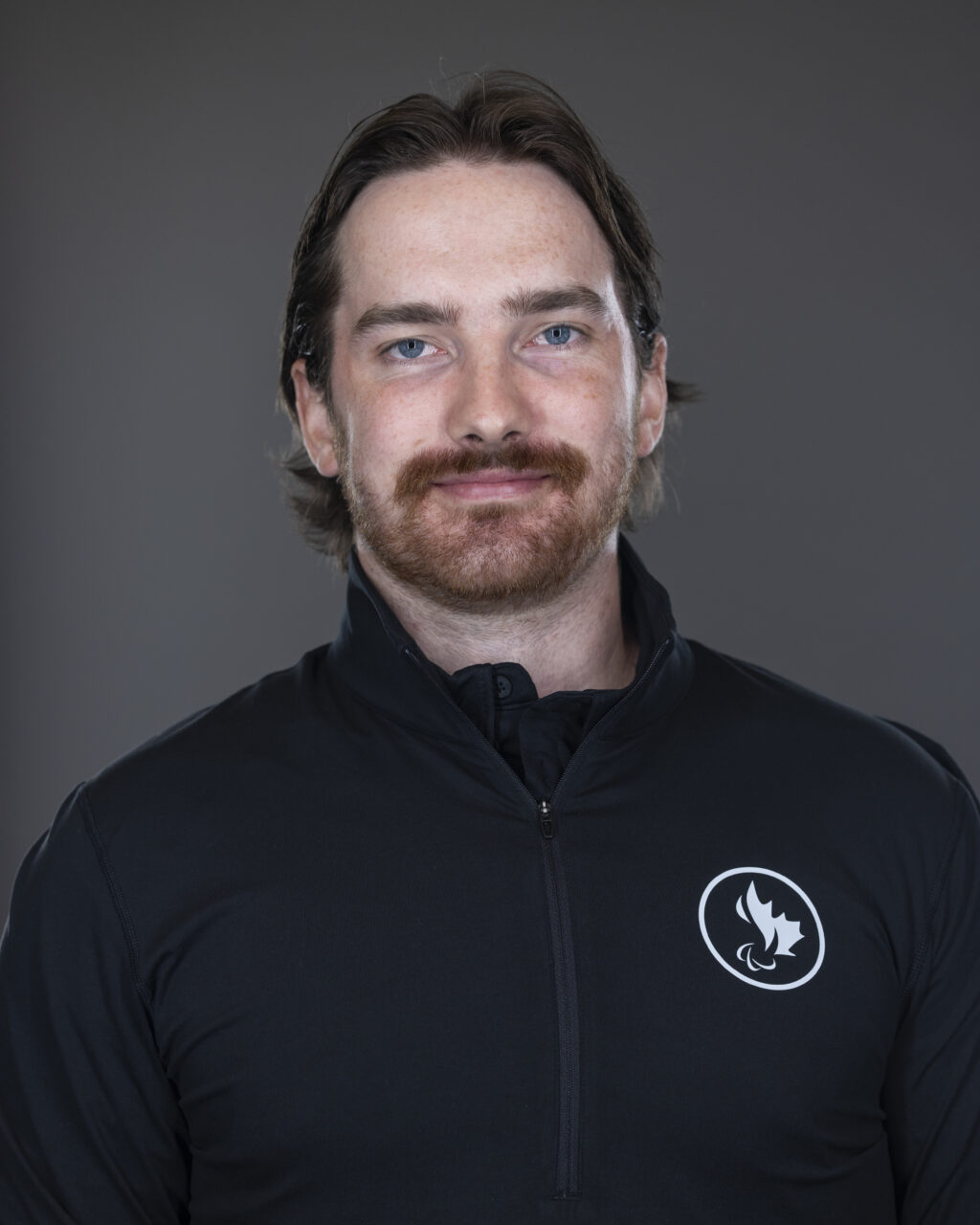
Q&A with Rob Armstrong (BA/25) – Para Ice Hockey
Q: What is your connection to Carleton, and can you tell us a bit about your time as a student?
A: I recently graduated with a double major in history and law. I loved my time at Carleton and getting to take part in the growth and development the school had since I first arrived in Ottawa. There are still professors I keep in touch with who have been extremely supportive of my dream of participating in the Paralympics while also assisting in furthering my education. The university will always have a spot in my heart and I am proud to say that I was a Raven.
Q: What inspired you to pursue your sport at a high-performance level?
A: For myself, hockey was a deep passion of mine. When I got sick at a young age, that dream was disrupted, and at first it was difficult to find an outlet for this passion until I was introduced to Para ice hockey. When I first hopped on the ice and saw the skill and speed of some other players, I knew my passion was reignited and that I finally had found a pursuit that matched my desires. Since making Team Canada in 2015, the sacrifices and work that have been put into being a high-performance athlete have required discipline and resilience. Studying at a school such as Carleton requires the same characteristics that high-performance athletes have. There will be days studying or writing papers in which you feel like you are drowning and overwhelmed, where finding that balance in your life becomes essential to overcoming these challenges. The same characteristics that made me a Paralympic medalist and World Champion are the same ones that allowed me to graduate.
Q: What does representing Canada at the upcoming Paralympic Games mean to you personally?
A: Representing Canada is the greatest privilege that has ever been bestowed upon me. When I put on the jersey with the maple leaf on the front, it represents something bigger than me. It represents my friends, family, fellow Ottawans, students and faculty of Carleton University, and every other Canadian. In a time when people are stressed by geopolitical forces, I find the ability to represent the values of Canadians on the world stage as an opportunity to showcase the class and dignity that are ingrained in Canadians.
Q: How have you been preparing for the Games, and what are you most looking forward to when you compete on the international stage?
A: I have been lucky enough to represent Canada at two previous Paralympic Games, but I can say the preparation for this cycle has been the most challenging, but also the most fun. There were times when I had questioned my love for the game of hockey and whether I should continue, but with a strong support system, I was able to rediscover my love for the game and rejuvenate my sense of pride in representing Canada.
What I look forward to the most when I compete on the international stage is simply the opportunity to play the most fun sport at the highest level of competition. At the end of the day, I get to play a game for a living. But when you peel back the layers of hockey, it is a beautiful game that requires creativity, desire, fortitude, grit, and skill. The emotions that come along with hockey are difficult to match in other aspects of my life. The way hockey can make you feel your lowest after a loss and your highest after a win cannot be replicated. It is this drive to chase those highs of winning that makes hockey the best sport in the world.
Q: Is there any advice you’d like to share with current Carleton students or emerging athletes who aspire to compete at this level?
A: Most of a high-performance athlete’s work is done outside of international competitions, so my advice to students or emerging athletes is to hone your craft. High- performance athletes remain students of the game.
If you are serious about pursuing a passion in life, whether in sport or in your studies, you should feel comfortable being uncomfortable in these spaces. You should want to ask questions and study the nuances of your passion to push the boundaries of your ability. Facing challenges in your pursuits is a good thing because it means that you are willing to put yourself in a position of pressure. It is in these moments of pressure that great achievements occur. Continue to stay in touch with why you love pursuing your passion, and don’t lose sight of the fulfillment that these pursuits give you.
Q&A with Collinda Joseph (BA/89) – Wheelchair Curling
Q: What is your connection to Carleton, and can you tell us a bit about your time as a student?
A: I graduated from the political science program in 1989. My experience at Carleton was great. I lived on campus for my first two years, and it was a great way to connect with the student community. As a wheelchair user, Carleton was a very good fit for me. The campus offered accessible residence accommodations, and the campus, connected by tunnels, made navigating so much easier.
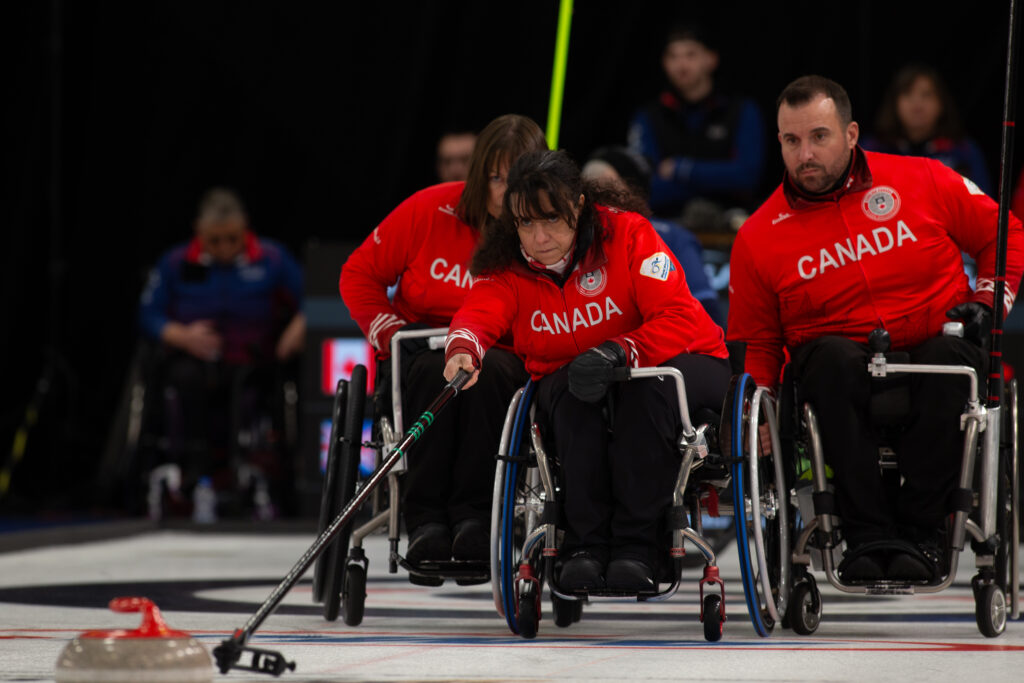
While at Carleton, I took part in student politics. In my second year, I became a floor representative for 12th Glengarry, where I lived. In my final year, I was elected to the university’s students’ association. Both were super amazing experiences.
Q: What inspired you to pursue your sport at a high-performance level?
A: My interest in sport has always been part of my life. Following my injury, I initially took part in some para-sports but nothing that was serious at the time. I started playing wheelchair basketball and, in 2006, I had the opportunity to try wheelchair curling at the RA Curling Club in Ottawa.
I was immediately hooked and decided to pursue the sport competitively.
Q: What does representing Canada at the upcoming Paralympic Games mean to you personally?
A: Representing Canada at the Paralympic Games means a great deal to me. I’ve worked hard to reach this milestone, and being selected to represent Canada at my second Paralympic Games is a thrill. Representing Canada on the world stage is always exciting, but as a member of Team Canada for the Paralympic Games, I’m representing the larger team of Paralympic athletes from across Canada and across different sports. It’s such a cool experience.
Q: How have you been preparing for the Games, and what are you most looking forward to when you compete on the international stage?
A: Our team’s preparations have been underway for the past four years, with many team training camps at locations in Ontario and Alberta. We’ve also competed in Europe and the annual World Curling Federation’s World Championships. In addition to team training led by our head coaches, I have been training with my home coach with on-ice practices, with my personal trainer for off-ice conditioning and connecting with my mental performance coach for strategies on managing high-pressure situations.
When preparing for a world championship, I always look forward to putting into practice everything I’ve worked on throughout the year at the most elite level. I’m usually quite nervous until I’ve thrown the first stone of the first game, but once I do, things settle and I get into the rhythm of the event. This is also what I’m looking forward to in Cortina!
Q: Is there any advice you’d like to share with current Carleton students or emerging athletes who aspire to compete at this level?
A: I know that my journey to becoming a member of Team Canada was a long one and not at all straightforward. There were many obstacles and challenges that I had to overcome, including several moments of self-reflection and changes that I had to make to reach the highest level. Even after making those changes, selection onto the team was never guaranteed, and it still isn’t, but I think it’s important to remain committed to always growing and learning. The things I’ve learned through sport have made their way into my personal and professional life too, and that is always a bonus.